ServicesVehicle Restraints
Vehicle Restraints in Jeddo
A trailer that creeps or pulls away mid-load can drop a forklift between the dock and the truck. We repair and install vehicle restraints, tell you what failed and why, and lay out your options before any work starts.
How a Vehicle Restraint Works and When to Service It
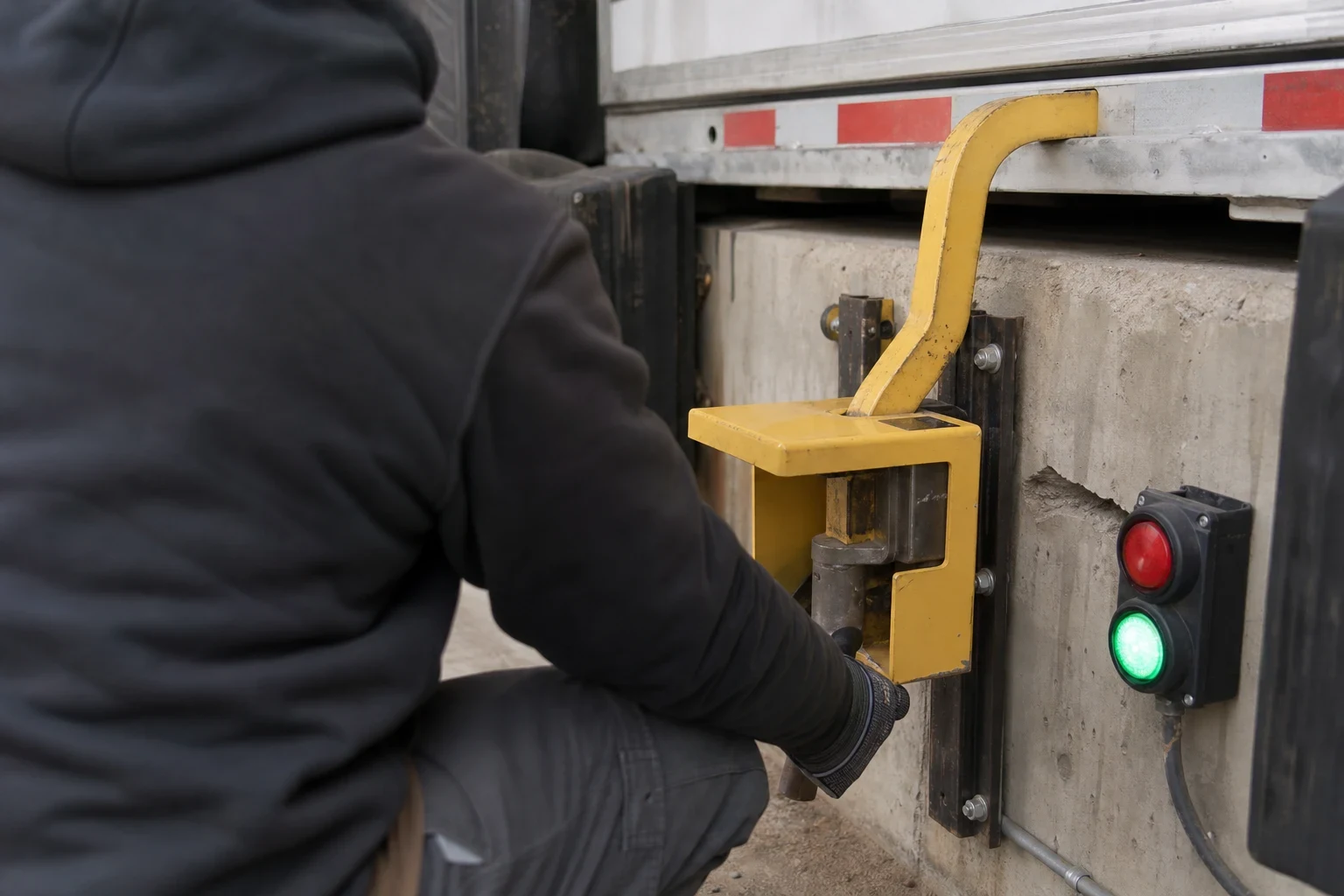
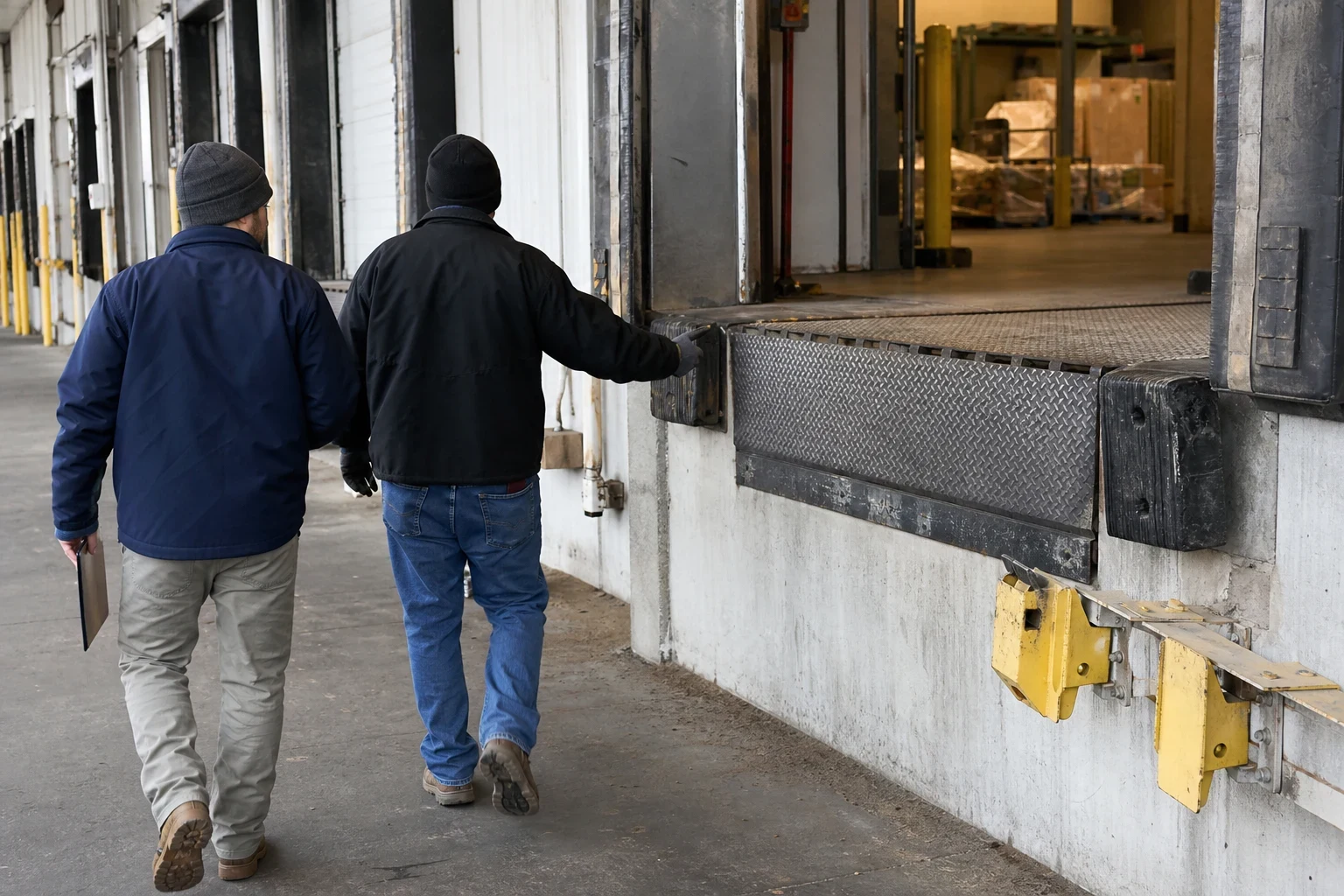
Each time a forklift drives into a parked trailer, it shoves that trailer. A vehicle restraint, mounted on the dock face, keeps it from moving. Most use a rotating hook to grab the rear impact guard, the steel bar beneath the back bumper. Others block the rear wheels instead. Both kinds do the same job: hold the trailer in place until the final pallet is out.
OSHA rules require trailer wheels to be chocked or the trailer secured by a mechanical restraint while it is loaded. Loose chocks get knocked away, left off or set wrong. A restraint in good working order, with lights inside and outside, removes the guessing for both the driver and the forklift operator.
We service manual and powered restraints along with the light and interlock systems connected to them. When yours is sluggish, unreliable or will not engage, we find out why and tell you honestly whether fixing it or replacing it is the better use of your money.
What We Handle on Vehicle Restraints
- Hook and carriage work
- We inspect the hook, the carriage that travels up the track and the springs that press it against the bumper bar. A bent hook, worn rollers or tired springs are the common reasons a restraint fails to lock.
- Motors and hydraulics
- On powered restraints we test the motor, pump, hoses and control wiring. A cylinder that leaks or a worn motor often shows itself as a hook that lifts slowly or lets go under load.
- Signal lights
- The red and green lights let the driver and the forklift operator know when it is safe to move. We replace burned-out bulbs, bad sensors and damaged signs so the lights agree with what the restraint is really doing.
- Door and leveler interlocks
- Some docks link the restraint to the overhead door and dock leveler so nothing can run out of sequence. We test that order and repair the wiring or switches that interrupt it.
- Wheel-based units
- Where trailers have missing or unusual bumper bars, a wheel-based unit blocks the tire instead. We service their arms, tracks and controls as well.
- Installing new restraints
- When a unit cannot be saved, we put in a replacement sized for your trucks and your dock face. How that job runs is covered on our Loading Dock Equipment Installation page.
Signs Your Restraint Needs Service
The hook doesn't catch
When the hook lifts but misses, or only grabs certain trailers, the springs or carriage may be worn. The restraint may also be mounted too low for most of the trailers you receive.
Green light, no hold
A light reading safe while the hook is not engaged is the most dangerous fault a restraint can have. Take that position out of use and get it checked before another load.
Trailers keep creeping
A little movement under forklift traffic is expected. A gap opening between the trailer and the dock bumpers is not, and it suggests a slipping hook or a failing spring.
Slow, loud or stuck movement
Grinding, hesitating or a motor that hums but does not move usually points to a hydraulic leak, a failing motor or a carriage clogged with debris.
Hits from trucks backing in
Restraints set low on the dock face get struck. A bent track or cracked housing will not repair itself and usually gets worse with every trailer.
Sticking in winter
Over the winter, packed snow, ice and road salt collect in the track. If the restraint jams every cold morning, it needs cleaning and a careful check of the seals and wiring.
What Drives the Price of Restraint Work
We give a price only after we have seen the restraint. The number depends on what broke, which kind of restraint it is and how easily parts can be found. These are the biggest factors.
Kind of restraint
A manual hook has fewer parts than a powered hydraulic or electric unit. Wheel-based restraints use their own components and generally cost more to service.
The part that failed
A burned-out bulb or a sensor is quick work. A cracked carriage, a dead motor or a track bent by a truck takes more.
Getting parts
Parts for current models are in stock. Older or discontinued units may need parts tracked down or adapted, which takes longer.
Interlocks and wiring
Repairing the link between the restraint, dock leveler and overhead door means troubleshooting. Damaged conduit or controls raise the cost.
How many positions
Handling several restraints in one trip shares the travel and setup. Many facilities combine it with our Loading Dock Preventative Maintenance visits.
How a Restraint Repair Goes
- 1
You tell us what you're seeing
Get us on the phone and describe the problem, the make if you know it, and how many dock positions are affected. That tells us what parts and tools to bring.
- 2
We inspect and test
At your facility we run the restraint through its full cycle, with and without a trailer if one is available. We check the hook, track, springs, power, lights and interlocks.
- 3
You get a straight answer
We show you what failed, explain why, and give you the repair and replacement options with a written estimate. You decide before we start.
- 4
We fix it and test again
We work one dock position at a time so the rest of your doors keep moving. When we're done, we cycle the unit several times and confirm the lights match the hook.
Questions About Vehicle Restraints
We already use wheel chocks. Do we still need a restraint?
Chocks can satisfy the rule when they are placed correctly every time. The problem is they get skipped or set loosely. A restraint with lights builds securing the trailer into the everyday routine and gives the forklift operator an obvious signal.
Why does the hook miss certain trailers?
Bumper bars vary in height, and some are bent, damaged or gone. If a restraint misses many trailers, it may be worn or mounted too high or too low for your traffic. We check for both and tell you which applies.
Can a restraint be added to a dock without one?
In most cases, yes. We look over the dock face, the concrete, the power supply and the trailers you handle, then recommend a fitting unit. Choosing equipment is covered on our Loading Dock Equipment Sales page.
Should we repair an older restraint?
Often yes, when the frame and track are solid and parts can be had. If the carriage is cracked, parts are discontinued or the unit fails again and again, replacing it may cost less over time. We lay out both choices and give you our honest view.
Does a restraint repair close the whole dock?
No. We take one position at a time and leave the others running. Once parts are in hand, most repairs wrap up in the same visit.
Will you service a brand you didn't install?
Yes. We work on most common makes of hook-style and wheel-based restraints, no matter who installed them.
Get Your Restraint Holding Again
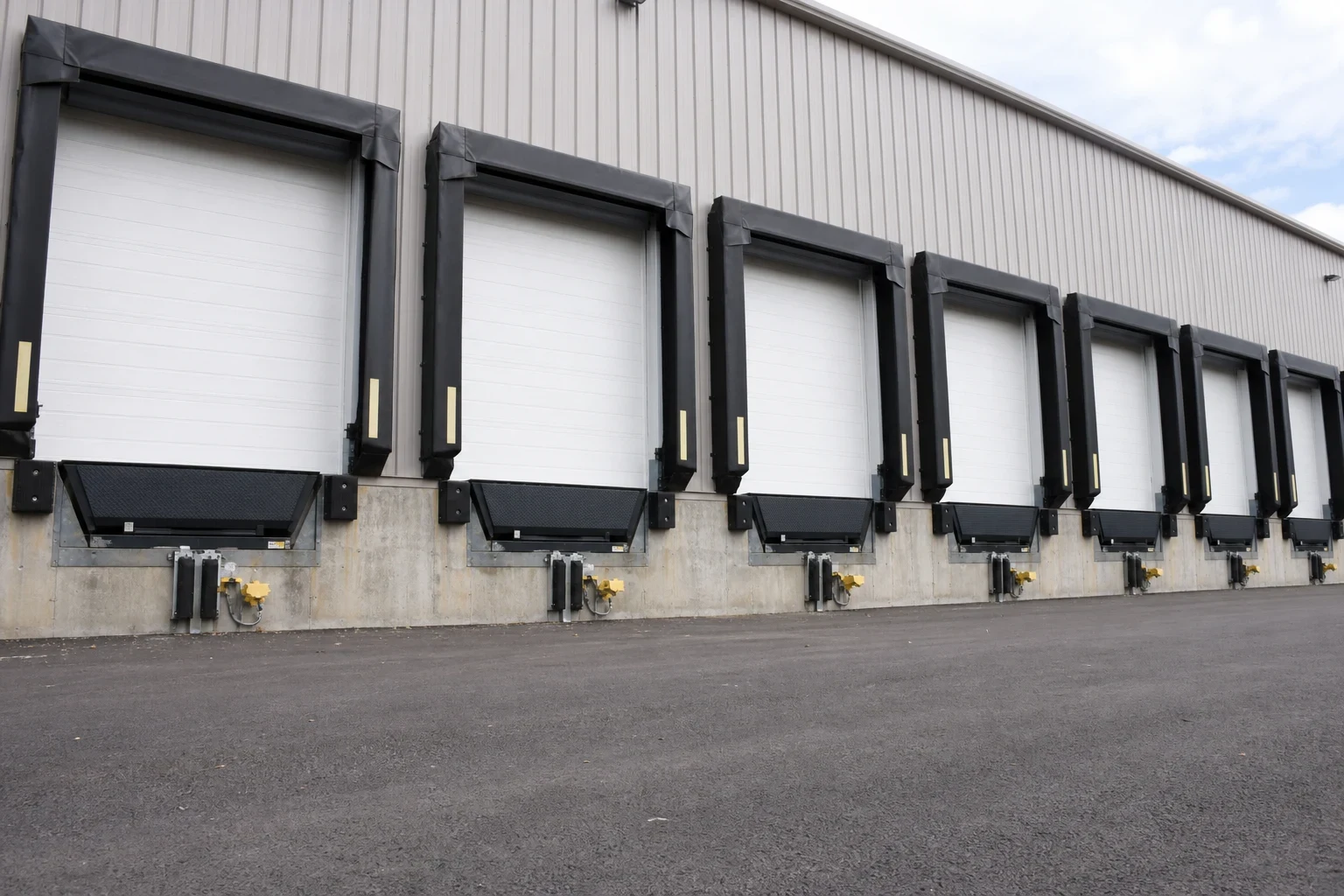
Tell us what the restraint is doing and how many docks are affected. We'll come out, find the cause and give you a straight answer on repair or replacement.