ServicesPreventative Maintenance
Preventative Maintenance for Loading Docks in Jeddo
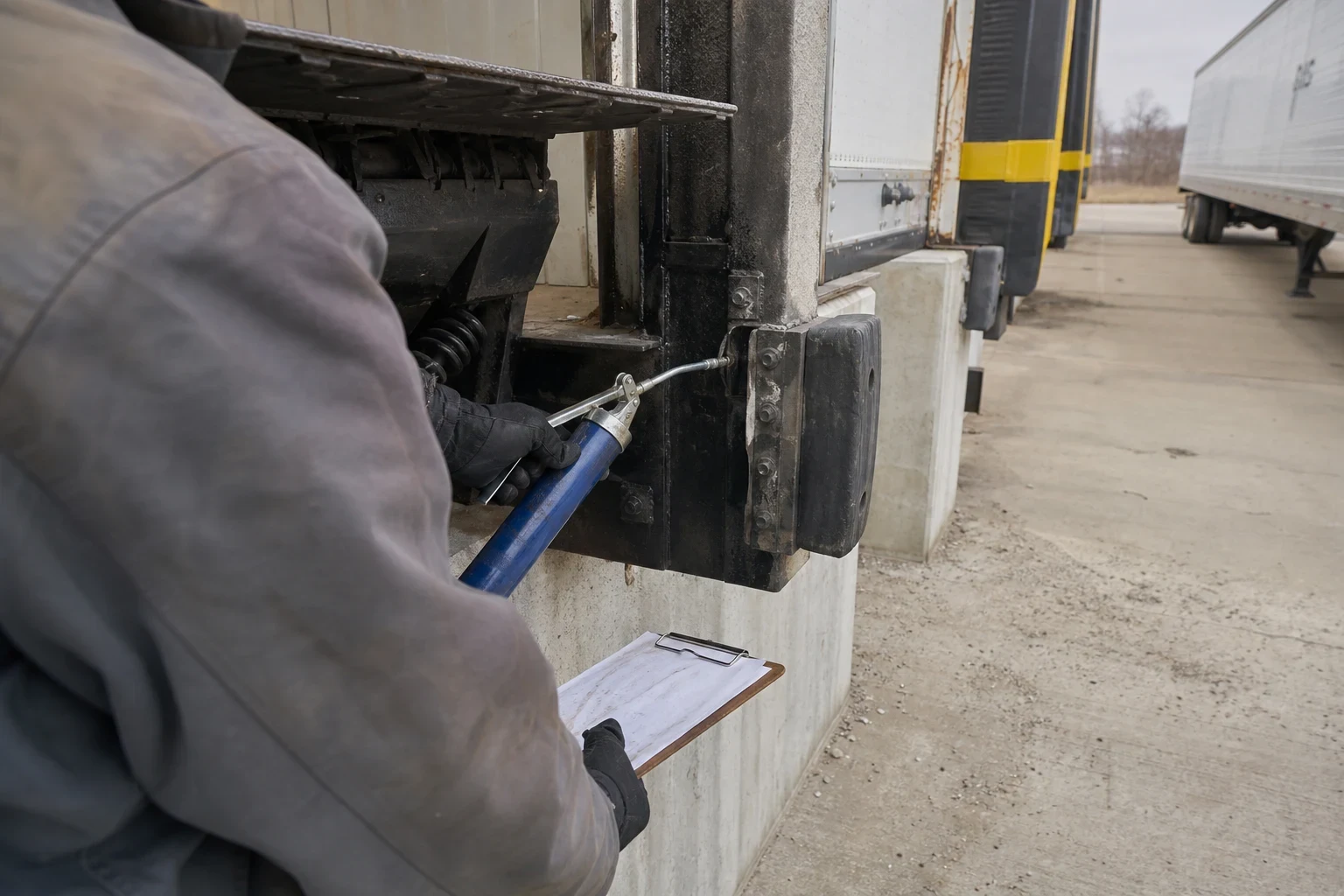
On a regular schedule, we inspect, adjust and grease your dock levelers, overhead doors and vehicle restraints. You get a clear report on what we saw, what it means and the cost to fix it, before a worn part takes a door out of service.
What Preventative Maintenance Covers
Dock failures rarely start big. A hydraulic hose seeps for months, a door spring slowly loses tension, a restraint hook gets slow. No one catches it until a trailer is at the door and the equipment stops.
With preventative maintenance, we visit on a set schedule, work through every dock position and spot that wear early. Quick fixes get done right there, and for bigger issues we tell you plainly what failed, why, and whether repairing or replacing is the smarter choice.
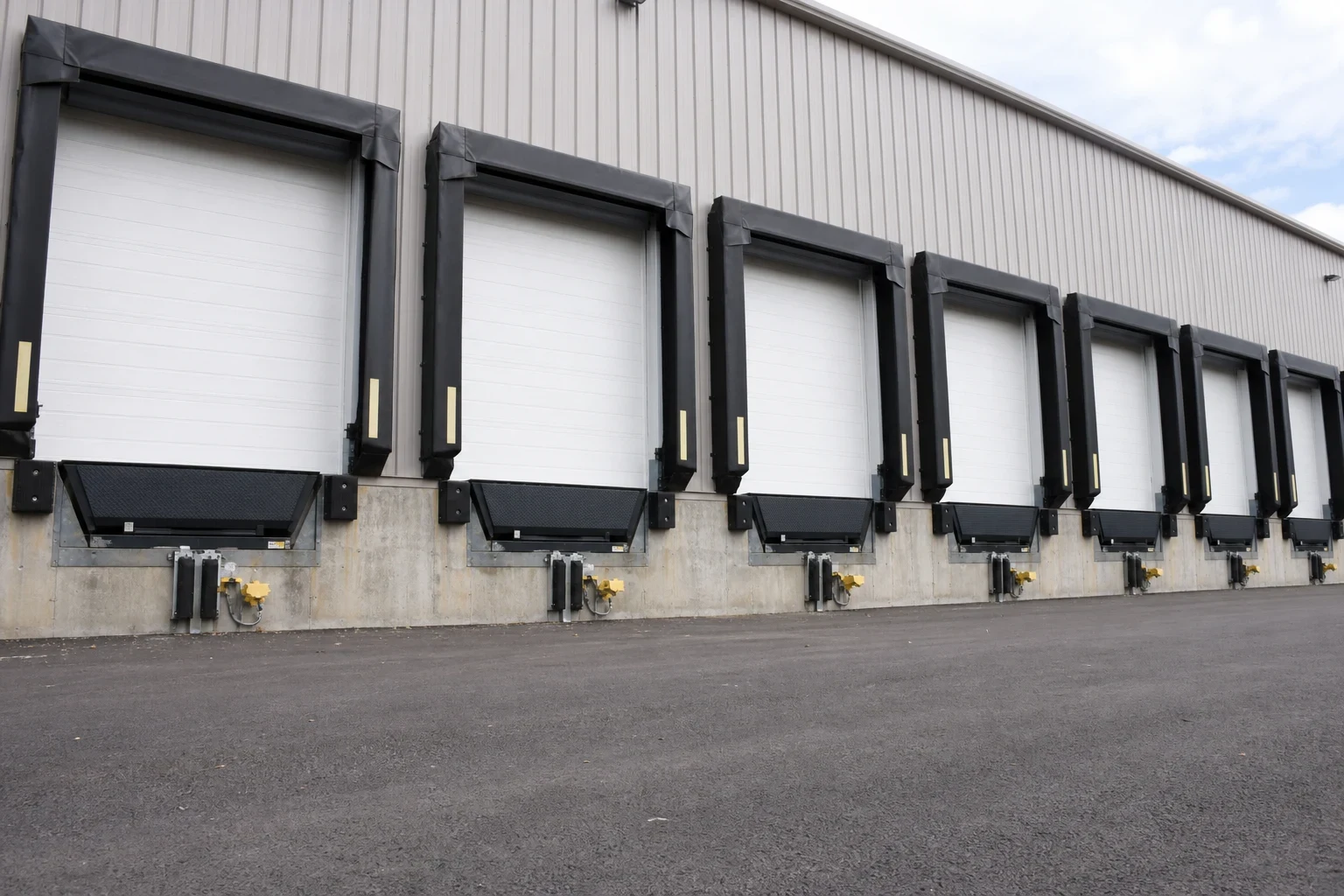
It suits any site with trucks in and out every day: warehouses, distribution centers, plants and stores with receiving docks. When a single dead door costs a shift of loading, a planned visit usually runs less than the lost time.
What We Check on Each Visit
Dock levelers
We check hydraulic fluid level and condition, hoses and fittings, the lip hinge, the hold-down and the toe guards. We lubricate pivot points and cycle the leveler to watch how it raises, extends and lowers. On mechanical units we check spring tension and the release chain.
Overhead doors
We inspect springs, cables, drums, rollers and tracks, and balance the door so the operator is not straining. We look at bottom seals and hinges, and test the reversing and safety devices.
Vehicle restraints
We engage the restraint on a trailer or test bar and look over the hook or arm for wear. Then we watch the signal lights on both sides of the wall to make sure red and green line up with whether the trailer is really held. If the restraint is wired to the leveler or door controls, we test that interlock too.
High speed doors and rolling grilles
We check curtain or slat condition, guides, limits and sensors on high speed doors. On rolling grilles we look at the curtain, bottom bar, guides and locking.
Bumpers and pit
Worn bumpers let trailers hit the leveler and wall. We note bumper wear and clear debris from the pit so the leveler can drop fully.
Written findings
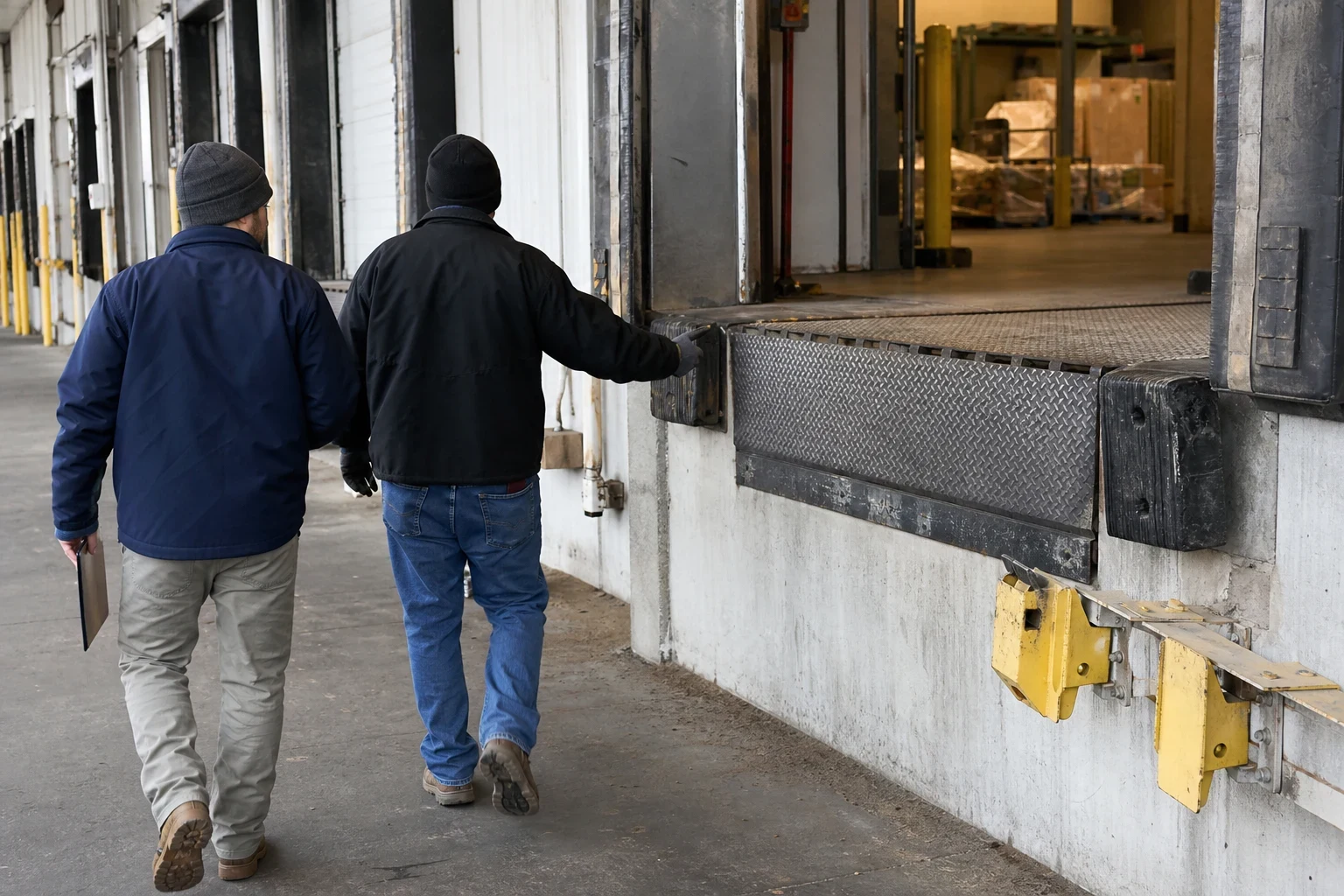
You get a list by dock position with photos of problems, what we fixed that day and what still needs attention, ranked by how urgent it is.
Signs Your Docks Are Due for Service
- Leveler drifts or moves slowly
- A leveler that sinks under load or is slow to rise usually points to low oil, a worn seal or a pump on its way out. Found early, the fix is most often a part, not a whole new leveler.
- Oil in the pit
- Fresh oil under a hydraulic leveler means a hose, fitting or cylinder is leaking. It also makes the pit slippery for anyone working there.
- Doors that bang, stick or close crooked
- Uneven closing points to a cable, spring or roller problem. Left alone, it can end with a door off its track.
- Restraint lights that don't match
- If the light shows green while the hook is not engaged, drivers and dock workers are trusting a signal that is wrong. That one needs attention soon.
- Winter damage
- Salt, slush and freeze-thaw cycles are hard on door bottoms, seals and restraint parts. A spring check after a northeast Pennsylvania winter catches rust and binding before it spreads.
How a Maintenance Visit Runs
- 1
Schedule around your trucks
By phone we cover how many dock positions you run, what equipment sits on each and your truck arrival times. Then we plan the work so docks stay open as we move through them.
- 2
One door at a time
We pull a single position out of service, tag it, go over it and return it to use. Every other door keeps working.
- 3
Handle the minor items
Greasing, adjusting, tightening and small parts from the truck are taken care of on the visit. For anything larger, we pause and explain it first.
- 4
Review what we found
Before leaving, we sit down with your manager and the report. You see the photos, learn what caused each issue and get options and costs for whatever still needs fixing.
What Moves the Cost
Preventative maintenance is priced by how much equipment we check and what shape it is in. We give you the number before work starts, and any repair beyond routine adjustment gets its own price so you can decide.
- Number of dock positions
- A store with two receiving doors takes far less time than a distribution center with thirty. Each position adds a leveler, door and often a restraint to check.
- Type of equipment
- Hydraulic levelers, mechanical levelers, high speed doors and restraints each take different time and checks.
- Age and condition
- Older or neglected equipment takes longer the first visit. After that, regular visits usually go faster.
- Visit frequency
- Quarterly visits on busy docks catch more early, while lighter-use docks may only need two a year. We will tell you which fits your traffic.
- Parts needed
- Hoses, seals, rollers and cables are extra when they need replacing. We show you the worn part before we swap it.
Preventative Maintenance Questions
- How often does dock equipment need a service visit?
- For docks running trucks all day, start with a visit every three months. Lighter traffic can move to twice a year. We weigh your traffic and the age of your equipment and give you an honest recommendation, not the largest number of visits we could sell.
- Will you service equipment someone else installed?
- Yes. We maintain levelers, overhead doors, restraints, high speed doors and rolling grilles from the brands you usually see on docks. If parts for an older unit are hard to find, we let you know at the start.
- Do our docks have to close for the visit?
- Not all together. We go position by position and plan around your trucks. Each door is usually working again before we start on the next.
- What if you find a serious problem?
- We pause, show you the issue and explain what caused it. You then get options, like repairing the part, replacing it or sometimes replacing the whole unit, each with its cost. Nothing outside the agreed work happens without your approval.
- Do you work at sites beyond Jeddo?
- Yes. We serve facilities in Hazleton, West Hazleton, Freeland, Mountain Top, Weatherly, Nesquehoning and the nearby area. Our Service Areas page has more.
Put Your Dock Equipment on a Plan
Give us a count of your dock positions and a rough idea of the levelers, doors and restraints on them. We will build a maintenance schedule around your truck traffic and explain what it costs before anything starts.